
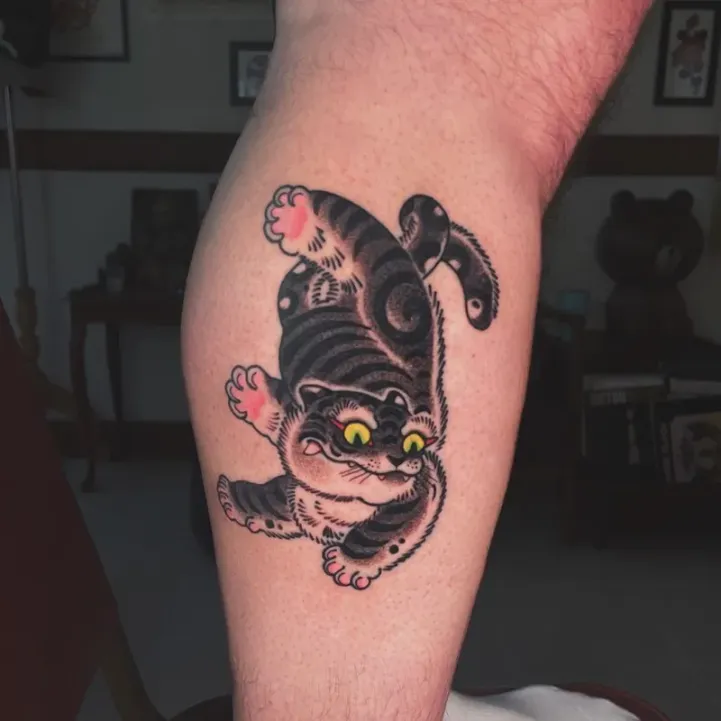
Japanese Tattoo in Bangkok
Japanese and Irezumi-inspired tattoo planning with Studio One Tattoo Bangkok artists.
Japanese tattoo style overview
Japanese tattoo work is known for strong composition, flow, shading, background, and visual storytelling. Clients often ask about dragons, koi, masks, flowers, waves, wind, warriors, character work, and Ukiyo-e influence, but the final design should be planned around the body rather than copied from a flat reference.
Read the practical details
Large Japanese pieces can become sleeves, back pieces, ribs, thighs, or full body panels. Smaller pieces can work too, but the motif should be simplified enough to stay clear. Studio One artist pages list Japanese-related specialties for senshin_irezumi and natt_classic_bkk.
Placement and large-scale planning
Japanese tattoo composition often depends on movement. A sleeve or back piece needs enough room for subject, background, and transitions. During consultation, send references, placement photos, and whether you are planning one session or a larger project over time.
Before booking
Bring your preferred motifs, but keep an open conversation about size, flow, and healing. For travelers, plan enough time before swimming, beach trips, or long flights where fresh tattoo friction may be uncomfortable.
Japanese Tattoo FAQ
Which Studio One artists are linked to Japanese tattoo work?
senshin_irezumi and natt_classic_bkk both list Japanese or Japanese traditional specialties on their artist pages.
Do Japanese tattoos need multiple sessions?
Large sleeves, backs, and detailed compositions often need multiple sessions. The studio can advise after reviewing your idea.
Can I bring Japanese tattoo references?
Yes. Send references and explain what you like about each one so the artist can plan an original piece.